
Plushkie
Plushkie, developed by indie creator Toomylox23, is an ambitious platformer with a cute presentation and a clear desire to challenge the player. While the game has a strong visual identity and some interesting ideas, its difficulty and control issues currently hold it back from being as enjoyable as it could be.
Level Design and Difficulty
The level design in Plushkie could use more refinement. The difficulty is very high, to the point where it sometimes feels like a Dark Souls style platformer. High challenge is not inherently bad, but the game does not reward the player early enough to justify pushing into even harder areas. More early encouragement would help prevent players from feeling discouraged before they have a reason to stay invested.
Some hazards are also unclear. The pink traps, for example, did not immediately read as dangerous, especially since enemies were able to walk through them unharmed. When enemies react to hazards, it helps teach the player what to avoid. On a positive note, the checkpoints were a big plus! They provided much needed relief from the intense platforming sections.
Controls and Character Movement
The character controller has a steep learning curve, largely due to its momentum based running mechanic. This mechanic is never clearly explained, which makes certain jumps feel impossible rather than challenging. Wall stickiness is another issue, as Plushkie can become literally stuck in some situations.
Adding a wall jump mechanic could help alleviate this problem and give players more control over their movement. Delaying the timing between jumps might also prevent players from accidentally jumping themselves into tight spots.
The instructions focus entirely on keyboard controls, even though the game supports controller input. This leaves controller players guessing which buttons do what, which adds unnecessary frustration.
Sound Design
The sound design is solid overall. Jumping and coin collection both have clear audio feedback. Some coins appear visually different, which made me expect them to have distinct sounds as well. Adding audio variety there could help reinforce their importance.
User Interface and Clarity
The user interface is fun and clearly visible, but not everything is explained well. Certain elements, such as the food found in levels or items in the shop, are unclear in terms of their purpose. While much of the game is understandable, some mechanics need clearer explanation, especially the momentum based jumping.
Visuals and Character Design
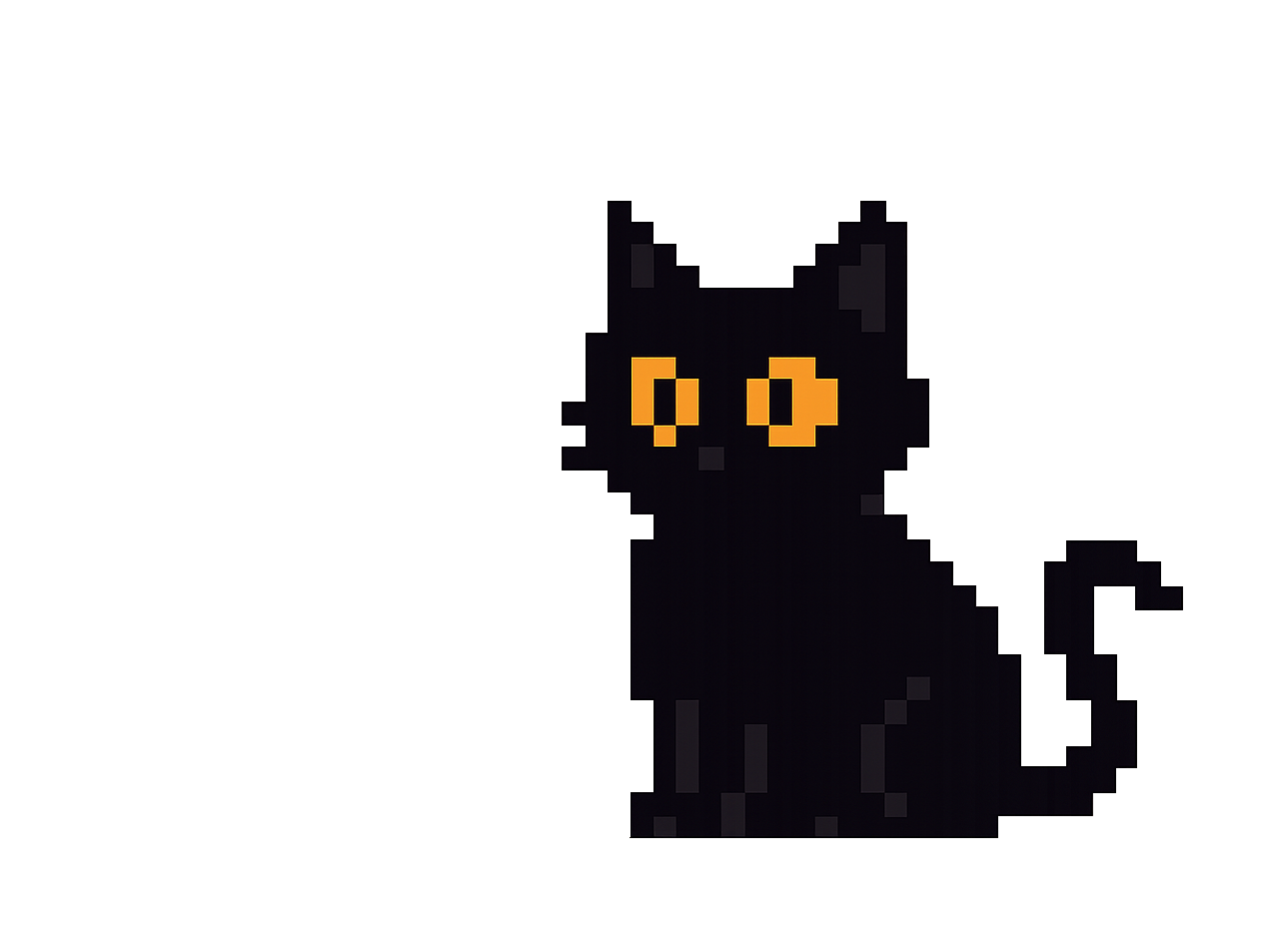
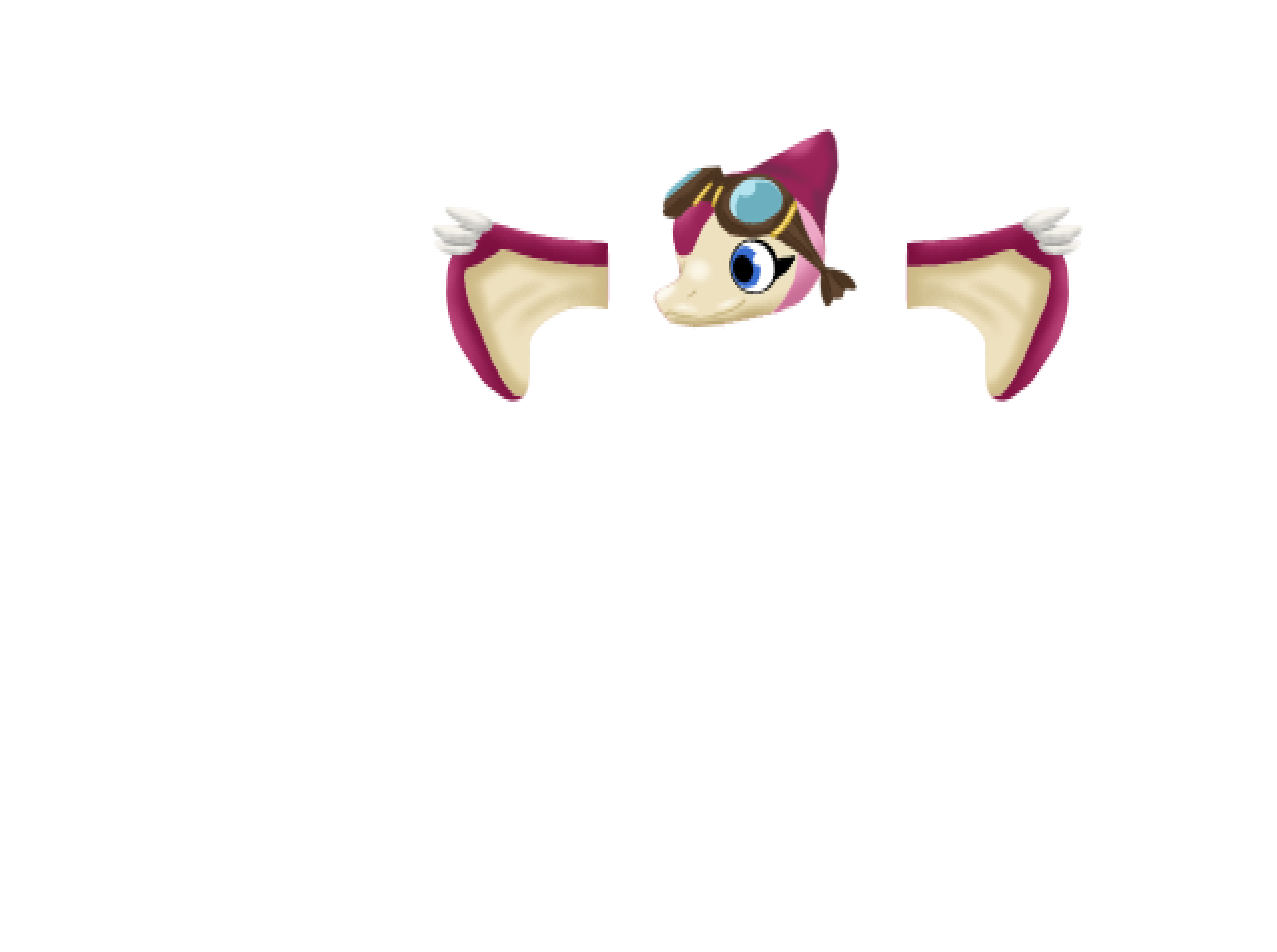
The character design is very cute! Plushkie and the bears have a soft, rounded look that makes them feel friendly and approachable. In contrast, the cookie enemies use sharp triangle teeth, which is a clever and effective way to visually mark them as threats.
Story and Player Experience
The story is simple and charming, and showing the setup at the beginning was a smart way to hook the player. Unfortunately, the lack of progress and rewards made it difficult to stay motivated. I did have some fun playing, but the high difficulty combined with minimal payoff often pushed me away rather than pulling me deeper into the experience.
Replay Value
Would I replay Plushkie? Not in its current state. The game asks a lot of the player without offering enough reward in return. That said, there is real potential here. With improved controls, clearer mechanics, and better pacing of difficulty, Plushkie could grow into something special.
Final Thoughts
Plushkie has a cute story, adorable characters, and some interesting ideas, but it needs polish. Tightening the character controller, rethinking difficulty progression, and better explaining key mechanics would greatly improve the experience.
Rating: Two out of five toe beans 🐾🐾❌❌❌
A promising project with heart and personality that could shine with refinement and iteration. Keep going, Toomylox23. I am excited to see how Plushkie evolves!