Overland
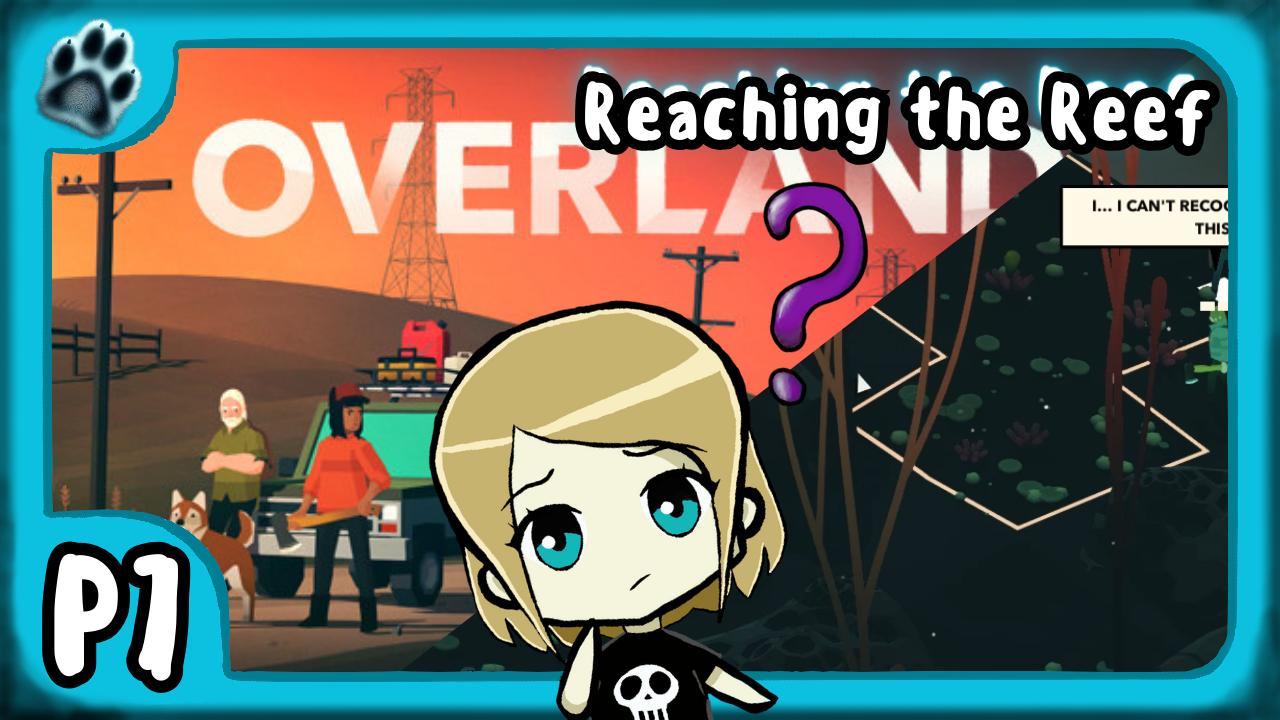
Overland, developed by Finji, is a post apocalyptic strategy game that focuses heavily on player choice, tension, and survival. It is a deliberately challenging experience that asks players to think carefully about every move, often rewarding smart decisions while punishing mistakes without mercy.
Level Design and Gameplay
The level design in Overland is very intelligent and deeply connected to how the enemy AI behaves. Each map is made up of small slices of squares that somehow manage to feel open and flexible despite being enclosed spaces. Players are consistently given multiple paths and choices, which makes every encounter feel strategic rather than scripted.
The way these maps support the game’s mechanics creates constant tension. You are rarely safe, and every decision carries weight, which fits the survival focus perfectly.
Sound and Atmosphere
The sound design is subtle, yet incredibly effective. Overland knows when to stay quiet and when to lean into dramatic moments. The contrast between silence and sudden, epic musical cues adds a strong emotional punch and keeps stress levels high in the best way!
Controls and Accessibility
The character controller works well with a mouse and feels simple and intuitive in that setup. However, the game is not very controller friendly, which may put off players who prefer using one. This limitation stands out more in a game that demands careful and frequent input.
User Interface and Clarity
The user interface is intentionally vague. Rather than holding the player’s hand, it encourages exploration and discovery, which works well for the survival genre. Information is revealed gradually, reinforcing the feeling of learning through experience rather than tutorials.
The game is easy to understand at a foundational level. You are given a clear initial goal, and the strategy mechanics are introduced step by step in a way that feels natural.
Visuals and Character Design
Character design is deliberately random and vague. This choice helps make each player’s journey feel personal, as no two groups look or feel quite the same. A definite highlight, however, is the dogs! Encountering and befriending them adds warmth and charm to an otherwise harsh world and provides some genuinely joyful moments.
Story and Player Experience
Overland’s story is largely about forging your own path. While there is some guided narrative at the beginning and end, most of the journey is shaped by player decisions. The conclusion leaves behind a haunting and memorable feeling, though the lack of structured narrative throughout the middle may be hit or miss for some players.
I had mixed feelings while playing. I was often frustrated by the difficulty, but that frustration is clearly intentional. Even when the game pushed back hard, it was easy to respect what it was trying to achieve.
Replay Value
Would I replay Overland? Probably not. There is a lot of replay value for fans of strategy games who enjoy mastering systems and experimenting with outcomes. For players who are more invested in story than strategy, however, the motivation to return may be limited.
Final Thoughts
Overland is a tough and thoughtfully designed strategy game that offers a wide range of choices and paths as players travel from coast to coast. While its controller support and narrative consistency may not appeal to everyone, its level design, atmosphere, and emotional tension are genuinely impressive!
Rating: Four out of five toe beans 🐾🐾🐾🐾❌
A challenging survival experience with smart design, meaningful choices, and plenty of adorable dogs to befriend along the way. Great work, Finji!