Barda by Mudita Games
Barda by indie developer Mudita Games is a charming roguelite built around one deceptively simple idea: everything you need to survive must fit inside your backpack. What unfolds from that premise is a strategic climb toward a mountain summit filled with tough decisions, whimsical characters, and a strong sense of adventure. While the game already shows a solid foundation of smart mechanics and personality, it is also very clearly a work still finding its footing.
Level Design
At the heart of Barda’s level design is its backpack-based inventory management. Every challenge you encounter on your journey demands specific item abilities in order to overcome it. Objects tumble into your backpack using freefall physics, creating a delightful chaos that can either save your run or doom it entirely. Items can restore hunger and fatigue, provide light, assist with combat, or enable climbing, digging, and fishing. With limited space and a steady stream of obstacles, careful resource management becomes the core challenge.
Complicating matters further are environmental and enemy-based effects that can negatively impact your items or backpack. Frost, fire, fear, and madness all threaten your health if left unmanaged. Thankfully, mechanics like shops, a forge, the mist couturier, and sidequests offer meaningful ways to mitigate these dangers and prepare more effectively for future encounters.
The overworld map presents a roguelite structure made up of biomes connected by branching pathways. Forests, snowy regions, and fire zones form the backbone of the climb. Unfortunately, these biomes begin to repeat as you progress upward, which undercuts the sense of escalation you would expect from a mountain ascent. This repetition could be addressed by introducing more biome variety or removing repeats altogether.
The pathway system also promises more freedom than it currently delivers. While the map visually suggests that players can weave between routes, your initial left or right choice ultimately locks you into that side for the entire run. Allowing players to cross sides later would add meaningful agency and make the mountain feel less restrictive.
Difficulty balance is another area that could use refinement. Rather than each run aiming for the summit, progression could be extended by gradually unlocking higher portions of the mountain over multiple runs. This would naturally increase challenge while giving players a clearer sense of long-term growth.
Sound Design
The sound design is effective and cohesive. Every action is accompanied by sound effects that clearly communicate success or failure, reinforcing immersion and player awareness. The background music leans into a calm, mystical tone that complements the mountaineering atmosphere and encourages thoughtful decision-making rather than frantic play. It is subtle, soothing, and well-matched to the game’s strategic pacing.
Character Controller
Barda currently supports keyboard-only controls, which limits accessibility for gamepad players. The point-and-click control scheme itself is simple and functional, keeping the focus firmly on inventory management rather than movement complexity.
One standout feature is the backpack “shake” mechanic, which allows players to jiggle their items into new positions. In practice, this mechanic feels underutilized and easy to forget. With further development, such as introducing a meaningful cost or strategic consequence to shaking, it could become a more impactful part of the gameplay loop.
A major missing feature is the absence of a save function. Runs require a full commitment in a single sitting, which is a significant drawback for player agency. Even the developers appear aware of this limitation, and adding a save system would be a crucial quality-of-life improvement.
User Interface
The UI is tightly interwoven with Barda’s mechanics. The backpack itself serves as the primary interface, with items and status effects clearly visible and interactable. Trackers display current conditions like hunger and fatigue, along with a height indicator that shows your progress up the mountain.
The map UI clearly presents branching paths and upcoming biomes, enabling strategic planning before committing to a route. A trash interface makes it easy to discard unwanted items, while challenge zones visually communicate which abilities are required to overcome them. Dragging either an item or the bird protagonist into these zones feels intuitive and satisfying.
Visually, the UI matches the game’s bright, cartoon-inspired art style. One particularly immersive touch is how the mouse cursor transforms into the protagonist’s feathered hand, subtly reinforcing the connection between player and character.
Easy to Understand?
Somewhat. The initial tutorial does a good job of explaining the core mechanics, especially inventory management and basic encounters. However, later systems such as shops and certain status effects are left largely unexplained. Hover-over tooltips help bridge this gap, but clearer onboarding for advanced mechanics would significantly improve player understanding.
Fun Factor
I had fun playing Barda! Discovering new items, learning how different mechanics interact, and navigating the shifting biomes created a strong sense of adventure. The gradual changes in scenery and the feeling of traveling upward set it apart from similar inventory-focused games like Backpack Hero. That sense of journey is easily the game’s strongest emotional hook.
Character Design
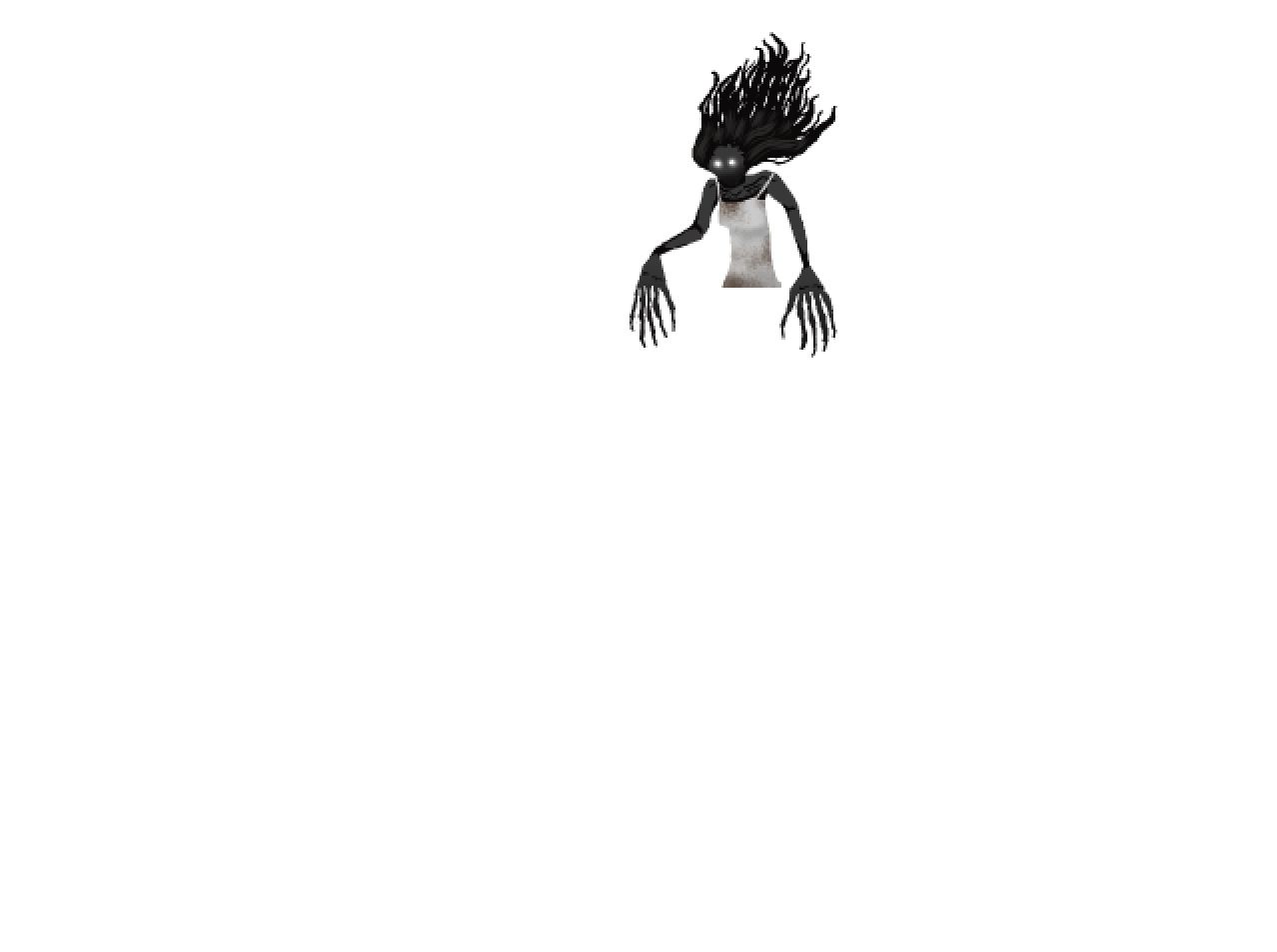
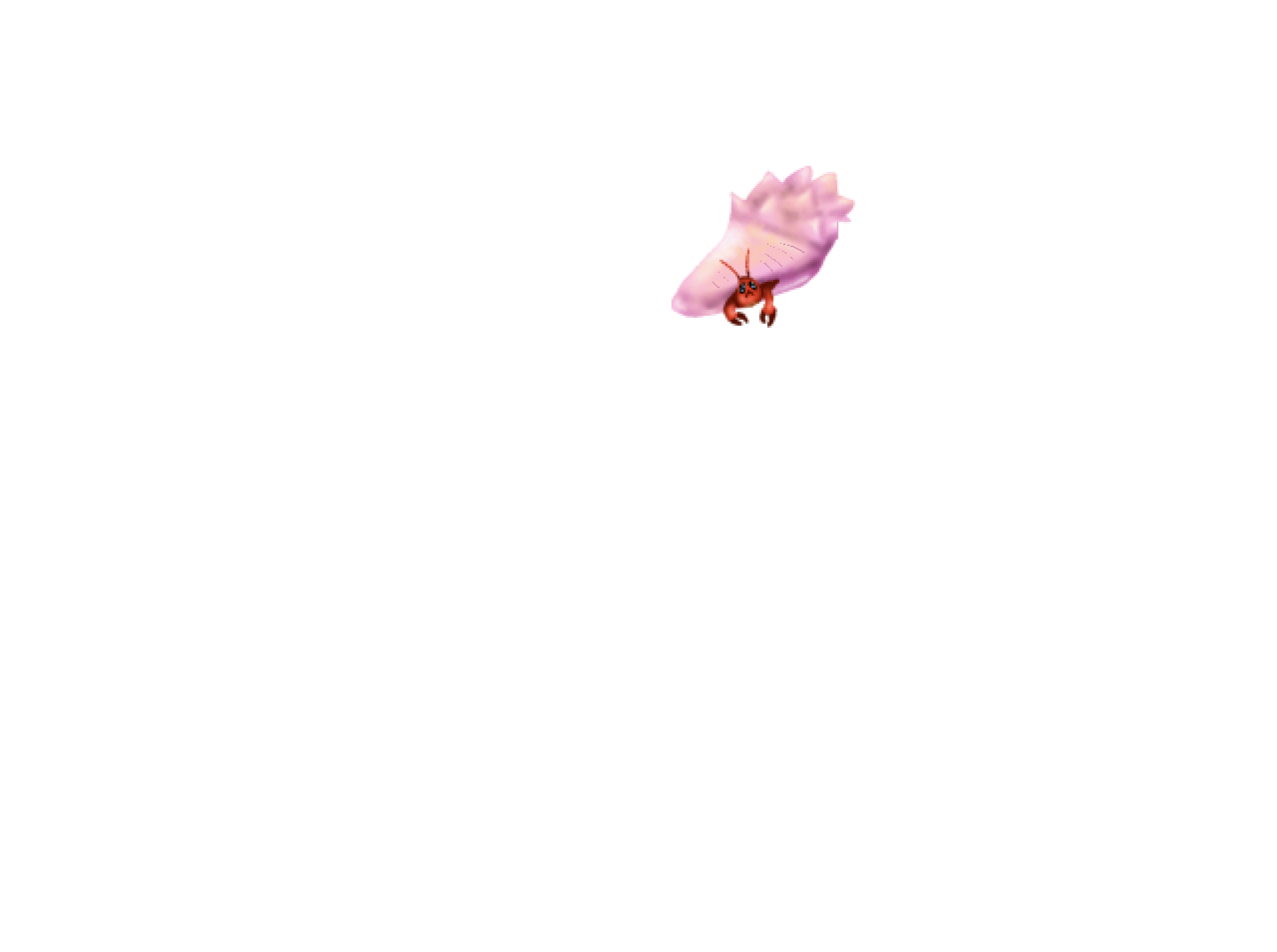
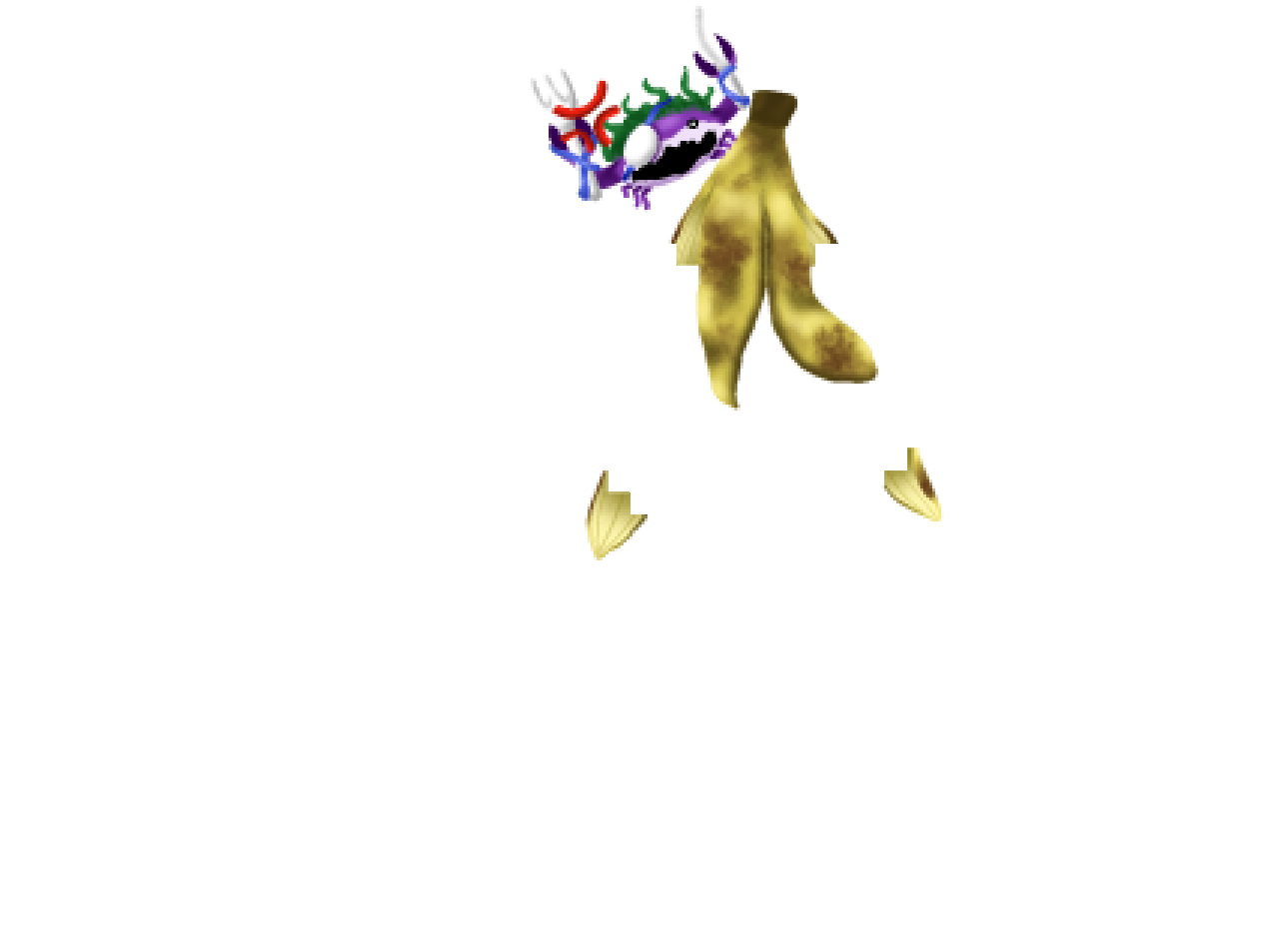
The character design is colorful, expressive, and perfectly suited to the game’s adventurous tone. The bird protagonist, outfitted in climbing gear, is instantly endearing. Supporting characters like the wizened shop dog, the burly blacksmith lizard, and the fashion-forward insect couturier bring personality and charm to the world. Even in its current state, Barda feels inhabited by characters with stories worth exploring further.
Story
At present, the story is minimal. The primary motivation is reaching the summit to spread your grandfather’s ashes, a concept with strong emotional potential. Loss is a universal experience, and leaning more heavily into the relationship between the protagonist and his grandfather could greatly deepen player investment.
Currently, reaching the summit lacks payoff. There is no moment of closure, no visual confirmation of the ashes being spread, and no meaningful reward. Expanding the narrative with a clearer beginning, middle, and end, possibly delivered through village events between runs, would significantly enhance immersion and motivation.
Replay Value
Would I replay Barda in its current state? Probably not. While the roguelite structure and sidequests offer some inherent replayability, player motivation is lacking. Without narrative progression, cosmetic rewards, or mechanical unlocks tied to reaching the summit, there is little incentive to climb again. Strengthening rewards and story payoff would go a long way toward making repeat runs feel meaningful.
Final Thoughts
Rating: Three out of five toe beans! 🐾🐾🐾❌❌
Barda shows real promise. Its backpack-based mechanics are clever, its art direction is charming, and its sense of adventure genuinely shines through. However, the game currently struggles with balance, progression clarity, and player motivation. With stronger narrative integration, better difficulty scaling, a save system, and expanded player agency on the map, Barda could evolve into something truly special. The foundation is here. Now it just needs refinement and purpose to fully reach its peak!