Art House by Turtle Fish Studios
Art House is a short narrative-driven platformer developed by Turtle Fish Studios that explores grief, dementia, and familial loss through environmental storytelling and symbolic mechanics. By blending a grounded real-world setting with a surreal painting dimension, the game attempts to communicate emotional weight without relying on heavy exposition. While its themes are sincere and thoughtfully handled, Art House struggles with length, polish, and payoff, leaving its emotional closure feeling premature.
Level Design
The level design of Art House ties in very well with its central themes of grief and loss. The contrast between reality and the painting world serves as a strong metaphor for how much the deceased grandmother meant to the family. In reality, environments are rendered in flat, muted colors and intentionally feel unremarkable. In contrast, the painting world is filled with depth, shading, and rich color, symbolizing the life and warmth the grandmother brought into the family.
Between levels one and two, the paintings further reflect the progression of the grandmother’s dementia. Level one features a bright, grassy mountain range, with only subtle hints of deterioration. Level two takes on a darker, more distorted tone, reminiscent of Van Gogh’s Starry Night, as dementia overtakes her consciousness and warps the environment itself.
Mechanically, the game escalates well across its levels, offering a solid learning curve. Core mechanics include storing and placing paintings anywhere in the world for platforming and puzzle-solving. Pressure plate puzzles appear, alongside roaming enemies that chase the player. A standout feature is the seam-ripping mechanic, which allows transportation between a painting’s foreground and background, adding an unexpected layer of depth to puzzle design.
That said, some mechanics still need polish. I encountered a door-painting puzzle that failed to recognize the correct teleportation path, forcing a reset via death. Additionally, summoned paintings, regardless of apparent weight, cannot activate pressure plates. This feels inconsistent in a game that otherwise relies heavily on physics-based interactions, though it’s an issue that should be easy to address.
Sound Design
The sound design includes sfx for every player action, helping reinforce immersion. The background music is a calm, melancholic piano piece that effectively supports the game’s themes of grief and loss.
Dialogue performances are emotionally solid, but there is noticeable static in the audio. This raises questions about whether noise reduction was applied during post-processing. Noise reduction is commonly used to remove ambient room noise, but the presence of static suggests it may not have been used, or not used effectively, resulting in slightly distracting audio artifacts.
Character Controller
The character controller supports both keyboard and gamepad, which is a welcome accessibility feature. There’s a noticeable and intentional power shift when transitioning between worlds. In reality, the protagonist moves slowly and deliberately. In the painting world, however, she becomes a highly capable platformer with enhanced movement.
This sudden increase in power is striking and can be interpreted as symbolic of the mother processing her grief through art. Whether metaphorical or mechanical, it’s a compelling contrast that reinforces the game’s themes.
User Interface
The UI has a strong foundation, starting with the main menu. Buttons leading to control schemes and level selection are clearly presented, with animated paint splatters framing the currently selected option, an effective and thematic visual cue. There’s also an options menu, which is always a plus for player agency!
In-game, an artist’s palette in the upper-left corner displays which painting is currently stored in the magical brush. On keyboard, the mouse pointer transforms into the brush itself, further reinforcing immersion. The credits even use painting frame UI to highlight developer names, which is a creative and cohesive touch.
One improvement point: the game displays both keyboard and gamepad controls simultaneously. If the project were expanded, this could clutter the screen. Allowing the game to detect the active input method and display only relevant controls would improve clarity.
Easy to Understand?
Yes! Pop-up UI tutorials clearly explain basic mechanics. The mother’s dialogue provides both emotional guidance and directional hints, helping the player understand goals without explicit hand-holding. Controls are intentionally simple, letting players focus on puzzle-solving and enemy avoidance rather than execution complexity.
Fun Factor
I had fun playing Art House! I’m always up for a good mix of platforming and puzzles, and the painted environments were genuinely enjoyable to explore. Discovering new visual details within the artwork was one of the highlights of the experience.
Character Design
Character designs are intentionally simple and grounded in realism. This restraint works in the game’s favor, as overly stylized characters would detract from the wonder of the painting world. The emotional relationships between the mother, children, and grandmother become clearer as the dementia progresses.
Reactions feel genuine and relatable, tapping into experiences many players will recognize. The game thrives on sincerity, and that honesty earns strong emotional empathy from its audience.
Story
The story’s focus on dementia and gradual loss is powerful, but its conclusion arrives far too quickly. The closure moment doesn’t feel earned, largely due to the game’s short length. While understandable for a university project, the narrative would greatly benefit from one or two additional levels.
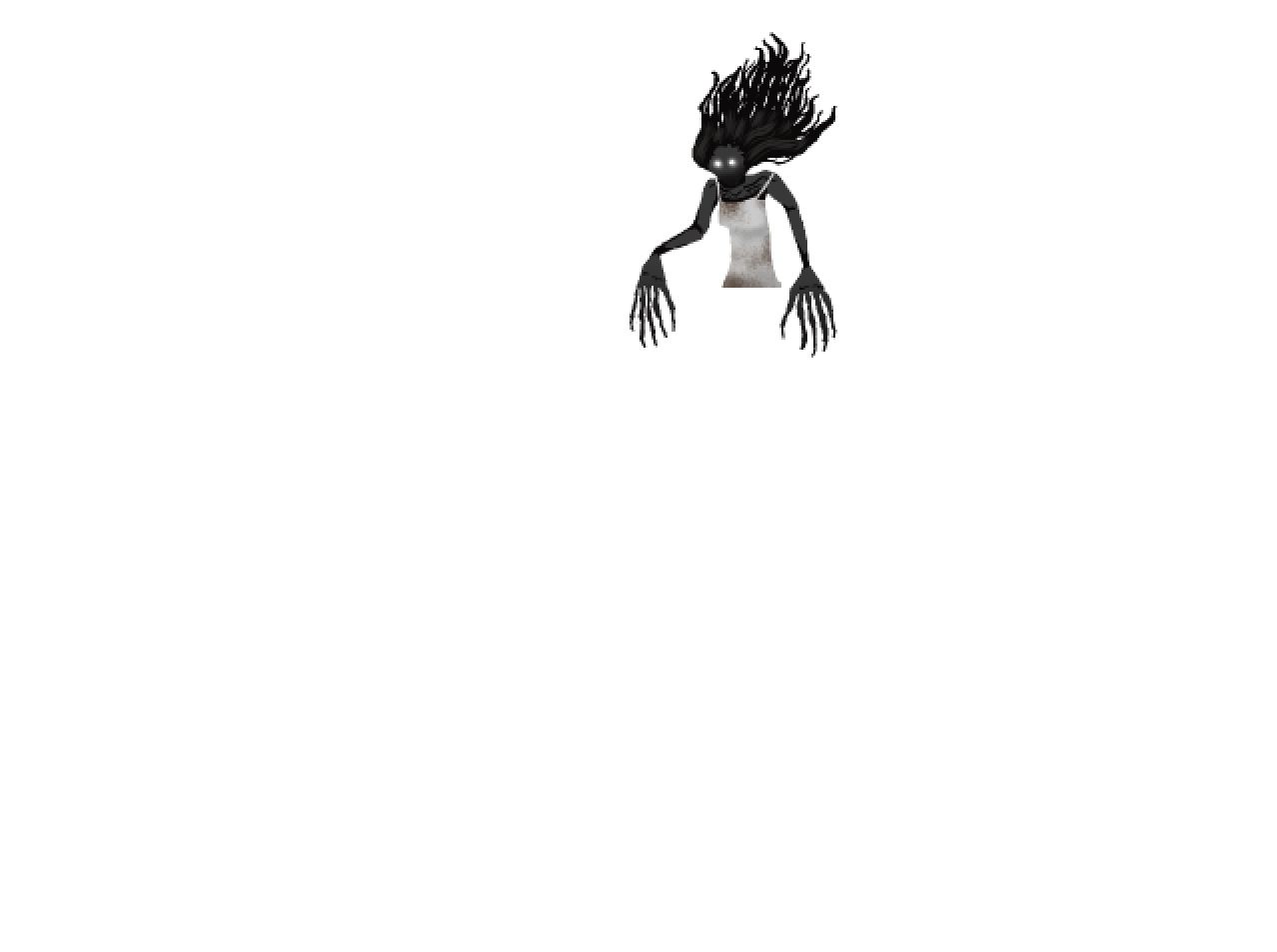
The children are seen running through the painting world, pursued by shadowy figures, yet the mother never directly helps or saves them. Without a moment of intervention or resolution involving the children, the final emotional payoff feels incomplete and unfair to the player.
Replay Value
Would I replay Art House? No. In its current state, there’s no replay value for either casual or hardcore players. However, collectables could easily change that. The painted scenes depicting moments from the grandmother’s life could function as optional collectables. Unlocking all of them before reaching the ending would deepen emotional investment and make the closure feel more deserved.
Final Thoughts
Rating: Two out of five toe beans! 🐾🐾❌❌❌
Turtle Fish Studios’ Art House is a heartfelt and visually striking exploration of grief and coping with loss. Its platforming mechanics are solid, the character controller is thoughtfully designed, and the emotional sincerity of its characters is its greatest strength.
However, the game’s short length undermines its narrative payoff, and the lack of replay value limits its longevity. With more levels, stronger mechanical polish, and a more earned sense of closure, Art House could truly shine. For now, it’s a moving emotional experience—just one that ends too soon. Great job, Turtle Fish Studios! I, and many others, hope you’re able to return to Art House and expand on it to deliver the emotional resolution it clearly deserves.