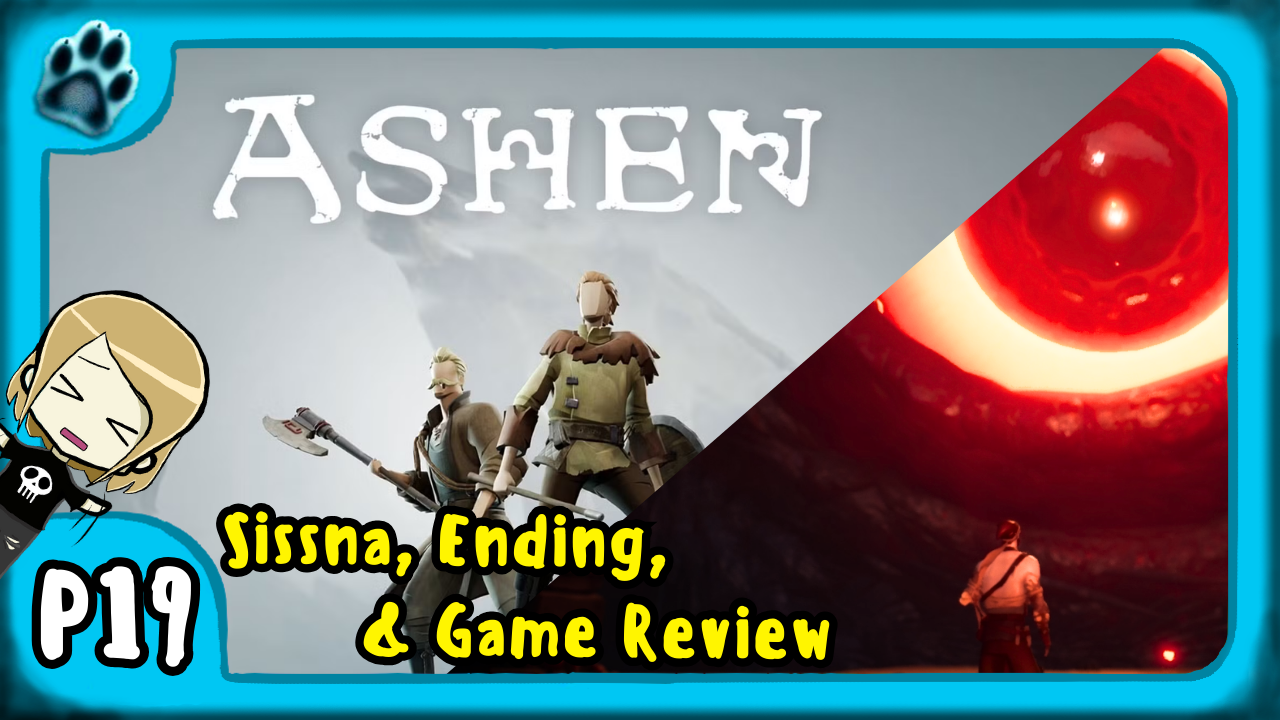
Ashen by Annapurna Interactive
Ashen is a soulslike action RPG developed by indie dev Annapurna Interactive. Set in a stark, desolate world of ash and fire, the game invites players into a quiet yet brutal journey defined by exploration, resilience, and perseverance! Rather than overwhelming the player with spectacle, Ashen leans into atmosphere, challenge, and subtle storytelling, offering a contemplative take on the Souls formula.
Level Design
The level design is mechanically strong and clearly rooted in the soulslike genre. The world is divided into visually distinct zones such as deserts and highlands, making it easy to recognize where you are without constantly checking the map. Exploration is consistently rewarded, with corpses scattered throughout the world that often hold items essential to survival and progression.
Ashen introduces a spear-throwing mechanic that adds flexibility to combat and traversal, offering a refreshing variation on traditional Souls gameplay. NPC quests contribute to village growth while also increasing your health and stamina, making progression feel meaningful. The buddy system allows an NPC companion to travel with you, helping in combat and exploration. However, Ashen was also advertised as featuring encounters with other real players, similar to Journey, allowing cooperation or conflict. This feature is completely absent on PC, making its omission frustrating and disappointing for players who expected a social element.
Performance issues further complicate the experience. Optimization problems cause lag, which is especially damaging in a genre where timing is everything. Progression design also stumbles late in the game. Once weapons and builds are fully upgraded, scoria loses much of its value, leaving end-game rewards feeling hollow and forcing players to rely purely on skill.
Sound Design
The sound design is excellent and deeply reactive. In a soulslike, audio cues are just as important as visuals, and Ashen delivers on that front. Sounds signal stamina depletion, enemy awareness, and successful actions, allowing players to react instinctively. Ambient tracks are calm and meditative, lending the world a surprising sense of serenity that contrasts beautifully with its difficulty.
Character Controller
The character controller mirrors traditional Souls controls, making it immediately familiar to genre veterans. Attacks, dodges, and stamina management function exactly as expected, reinforcing deliberate and thoughtful combat. Newcomers may need time to adjust, but the controls feel tight and responsive once mastered.
User Interface
The UI is simple, clean, and effective, with just enough flair to reflect the game’s somber fantasy tone. The pause menu displays inventory, gear, and relics clearly, while quick slots allow for seamless weapon and item swapping mid-combat. The on-screen HUD focuses on health and stamina, which are critical to survival. The map gradually fills in as you explore and includes quest markers that encourage deeper exploration. Lootable corpses are marked with a bright sigil that stands out against every environment, making scavenging both intuitive and rewarding. There is also an options menu, which is always appreciated.
Easy to Understand?
Yes! Tutorials are introduced naturally throughout the early game, easing both newcomers and experienced players into the mechanics. Difficulty ramps up gradually as you travel farther from the village, allowing learning through experience. Fully voiced allies help clarify objectives, and item descriptions provide helpful context when needed.
Fun Factor
I had fun playing Ashen! Combat is challenging and satisfying, exploration is consistently rewarding, and uncovering lore through subtle environmental clues adds a layer of intrigue. Reaching the far edges of the world and piecing together character stories delivers a strong sense of accomplishment.
Character Design
Character design is one of Ashen’s quiet strengths. The world features humans, Listeners, and the Elder Dark, each with distinct silhouettes and cultural cues despite lacking facial features. Characters like Bataran, Eila, and Amara stand out through posture, attire, and personal stories. The low-poly art style allows players to project emotion onto faceless characters, creating a surprisingly intimate connection. Lore is intentionally vague, encouraging curiosity and emotional investment through quest progression.
Story
The story and lore are deliberately understated, true to the Souls tradition. Aside from an opening creation myth, the narrative unfolds through exploration, dialogue, and interpretation. Your ultimate goal is to find and protect the Ashen, the creator of the world, though the path to that goal is anything but straightforward. Philosophical themes and unexpected twists reward attentive players, creating a story that lingers long after completion.
Replay Value
Replay value is strong. Casual players may return to re-explore the world and complete missed quests, while hardcore players will relish the challenge of mastering combat and defeating bosses again. The satisfaction of overcoming difficult encounters alone makes Ashen worth revisiting!
Final Thoughts
Rating: Four out of five toe beans! 🐾🐾🐾🐾❌
Ashen is a solid and thoughtfully crafted soulslike that balances challenge with tranquility. Its minimalist world, meditative soundtrack, and rewarding exploration create a unique tone within the genre. While the missing co-op feature, performance issues, and end-game progression flaws prevent it from reaching its full potential, the core experience remains compelling. Ashen feels like a Souls game turned inward, quieter and more reflective, yet still demanding respect from the player.
Ashen may not meet every expectation set by its ambition, but it delivers a meaningful and memorable journey for those willing to brave its world. I am still rooting for Annapurna Interactive and look forward to seeing how their future games evolve.