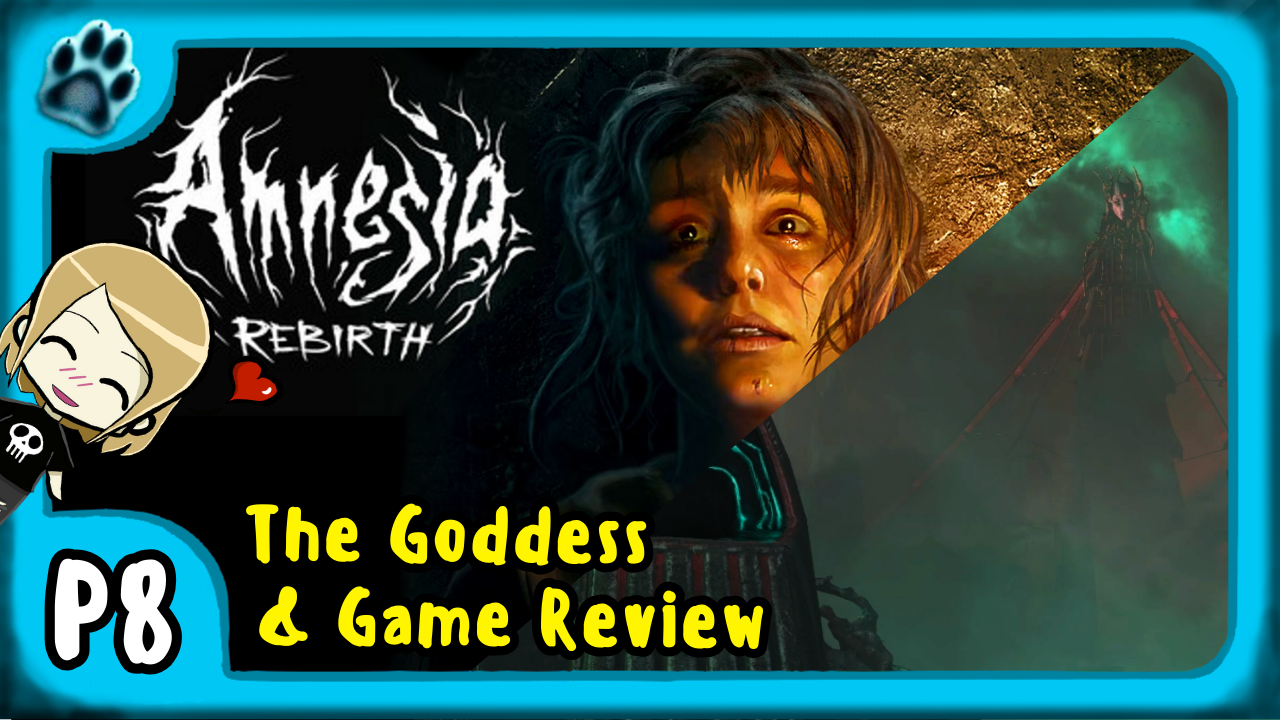
Amnesia: Rebirth by Frictional Games
Amnesia: Rebirth brings players back into the eerie and haunting world that Frictional Games is known for! Following the legacy of The Dark Descent and A Machine for Pigs, this third installment pushes the series forward with improved mechanics, a rich narrative, and even more immersive environments. You play as Tasi, a woman navigating the deserts of Algeria while uncovering the mystery surrounding her missing baby and the dark forces at play. This entry blends suspense, puzzle-solving, and horror with a deeply personal story, making it one of the most compelling Amnesia experiences yet.
Level Design
The level design continues the classic Amnesia mechanics of light and darkness, encouraging careful use of light sources to traverse the dark environments. The game even adds a timer for being in total darkness, ramping up the tension and making each decision feel impactful. Puzzles are intuitive and cleverly integrated into the surrounding environments, making the player feel brilliant when they solve them. Physics play a major role in problem-solving, and the mix of stealth and action sections provides a balanced gameplay experience. The compass mechanic simplifies movement between the real world and the Otherworld without breaking immersion. Players can also choose Original Mode for the full horror experience or Adventure Mode if they want to focus solely on the story.
Sound Design
The sound design masterfully guides the player, signaling danger and offering hints simultaneously! Subtle audio cues from the ghuls warn you to move cautiously, while moments of silence heighten suspense. Background music is perfectly crafted to match the scorching Algerian desert, the Otherworld’s mystery, and heart-pounding chase sequences. The score adapts beautifully to the atmosphere, making the tension palpable at every turn.
Character Controller
The character controller works seamlessly with both keyboard and gamepad. Movement reflects Tasi’s pregnancy progression, subtly slowing her as the story advances. Sliding through narrow gaps feels fluid, and object manipulation for puzzle-solving is intuitive. Combat, stealth, and exploration all feel natural, giving players full confidence in their control.
User Interface
The UI continues the series’ tradition of clarity while adding a creative twist! Interactive objects still feature the iconic hand icons, and pop-up hints guide players when needed. Notes are now physical items that can be picked up and clarified with a “clarify text” button, making Tasi’s messy handwriting readable. The pause menu and inventory are integrated into Tasi’s sketchbook, immersing the player further into her world. There is even a dedicated option to turn off motion-sickness-inducing effects. The HUD shows health, items, and enemy status while keeping the oceanic theme consistent with the game’s visual style.
Easy to Understand?
Yes! Pop-up hints, environmental cues, and Tasi’s commentary keep the player informed without overwhelming them. Exploration is encouraged, and trial-and-error feels satisfying rather than punishing. The game balances guidance with challenge beautifully, making it accessible for both casual and hardcore players.
Fun Factor
I had a blast playing Amnesia: Rebirth! Solving intricate puzzles, navigating tense stealth and action sequences, and uncovering Tasi’s story kept me fully engaged. The combination of suspense, mystery, and environmental storytelling makes every moment feel rewarding and immersive.
Character Design
Character models are highly detailed and reflective of the 1930s setting. Tasi is a compelling protagonist, and other characters are visually distinct and memorable. Facial expressions and animations bring the story to life, enhancing emotional engagement.
Story
The story is exceptional, with phenomenal voice acting that adds depth to Tasi’s journey. Themes of rebirth, motherhood, and transformation are woven throughout, and symbols like the fetus, goddess, and child enhance the narrative. Multiple endings allow player choice to shape Tasi’s fate. The lore expands the Amnesia universe, exploring the origins of the orbs and the Otherworld while telling three interwoven stories, keeping players intrigued from start to finish.
Replay Value
Yes! The compelling story encourages replaying to experience all endings and explore Tasi’s journey again. Custom Stories mode also allows players to try community-made content, extending the game’s longevity for both casual and hardcore audiences.
Final Thoughts
Rating: Five out of five toe beans! 🐾🐾🐾🐾🐾
Amnesia: Rebirth refines and perfects elements from both The Dark Descent and A Machine for Pigs. Light and darkness mechanics, puzzle integration, immersive UI, and storytelling all shine. The game balances horror, narrative, and player agency perfectly, making it a polished and professional product. Frictional Games has delivered a truly memorable experience, and the future of the Amnesia series looks incredibly bright!