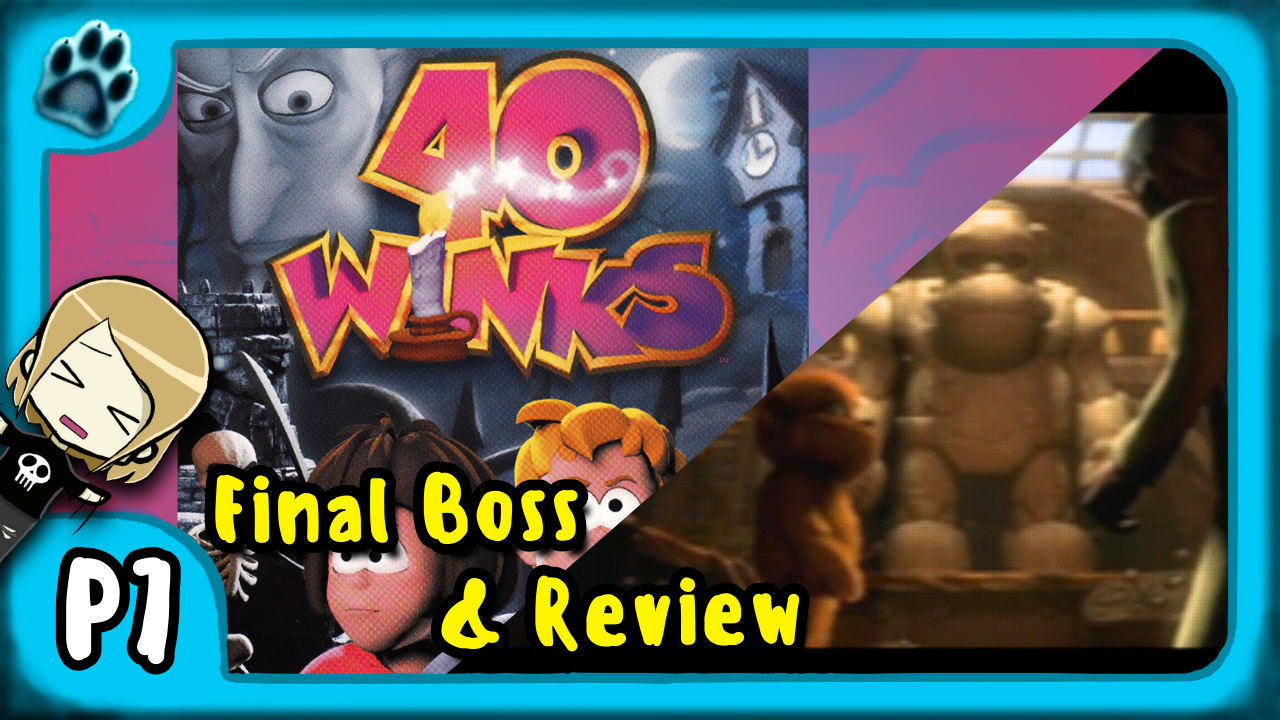
40 Winks by Eurocom
40 Winks is a classic collect a thon platformer developed by indie dev Eurocom. Originally released in the late 1990s, the game wears its era proudly, delivering a colorful dream world filled with cartoonish danger, playful enemies, and a heavy dose of nostalgia. While its age shows in many places, 40 Winks still captures the whimsical charm of early 3D platformers and offers a glimpse into a formative time for the genre!
Level Design
The level design is built around the collect-a-thon formula, tasking the player with rescuing adorable Wink creatures and gathering four Dreamkeys per level to unlock each world’s boss. The structure of progression is well organized, with six worlds that each contain three levels followed by a boss encounter. Throughout a level, you are encouraged to explore thoroughly, collecting Winks while uncovering secret areas that reward Ruff and Tumble Coins. Gathering enough of these grants extra lives, reinforcing the importance of exploration.
Jack-in-the-Box powerups are a standout feature, transforming the player into magical creatures, raging monsters, or nimble ninjas, each with unique abilities required to progress. Combat is handled through basic combo attacks and moon coin abilities that vary depending on your current form, creating a healthy mix of platforming and action challenges.
However, the level design suffers from poor communication. The game never explains that accessing a world boss requires collecting every Dreamkey across all levels, which can lead to unnecessary backtracking and frustration. Moon coins are also poorly introduced, making them seem pointless until their actual use is discovered much later. Pitfalls further compound frustration, instantly costing a life instead of dealing damage and respawning the player. In a game with limited lives, this small detail becomes surprisingly punishing.
Sound Design
The sound design features short, playful loops that generally match the tone and theme of each world. Sound effects accompany nearly every action, reinforcing the game’s lighthearted personality. Unfortunately, several music tracks are reused across wildly different themed worlds, which breaks immersion. There are also moments where background music disappears entirely, leaving levels and hubs feeling oddly hollow.
Character Controller
The character controller technically supports both keyboard and gamepad, but neither option feels particularly good. As a PS1 port, the controls suffer from awkward mapping, with movement locked to the D-pad and no option to rebind inputs. Prolonged play can become physically uncomfortable, and the fact that emulators often handle modern controls better than the official port is telling.
The camera is one of the game’s biggest weaknesses. Limited rotation in only one direction makes navigating 3D spaces far more difficult than necessary. Platforming challenges become harder not because of clever design, but because the player cannot properly see where they are going. Unsurprisingly, the controls feel janky, which is expected for a game of its age but still hard to excuse.
User Interface
The UI is simple and playful, using fonts and visuals that match the youthful tone of the game. The main menu and pause menu are easy to navigate, and there is an options menu, which is always a plus! Dialogue boxes include character icons to clarify who is speaking, which is helpful. However, the low resolution font can be difficult to read, making longer dialogue moments less comfortable than they should be.
Easy to Understand?
Mostly, yes. The intro cutscene clearly establishes the premise and overall objective. That said, several important mechanics, including Dreamkeys and moon coins, are never properly explained. This creates moments of confusion that interrupt the flow of the game and force players to learn through trial and error.
Fun Factor
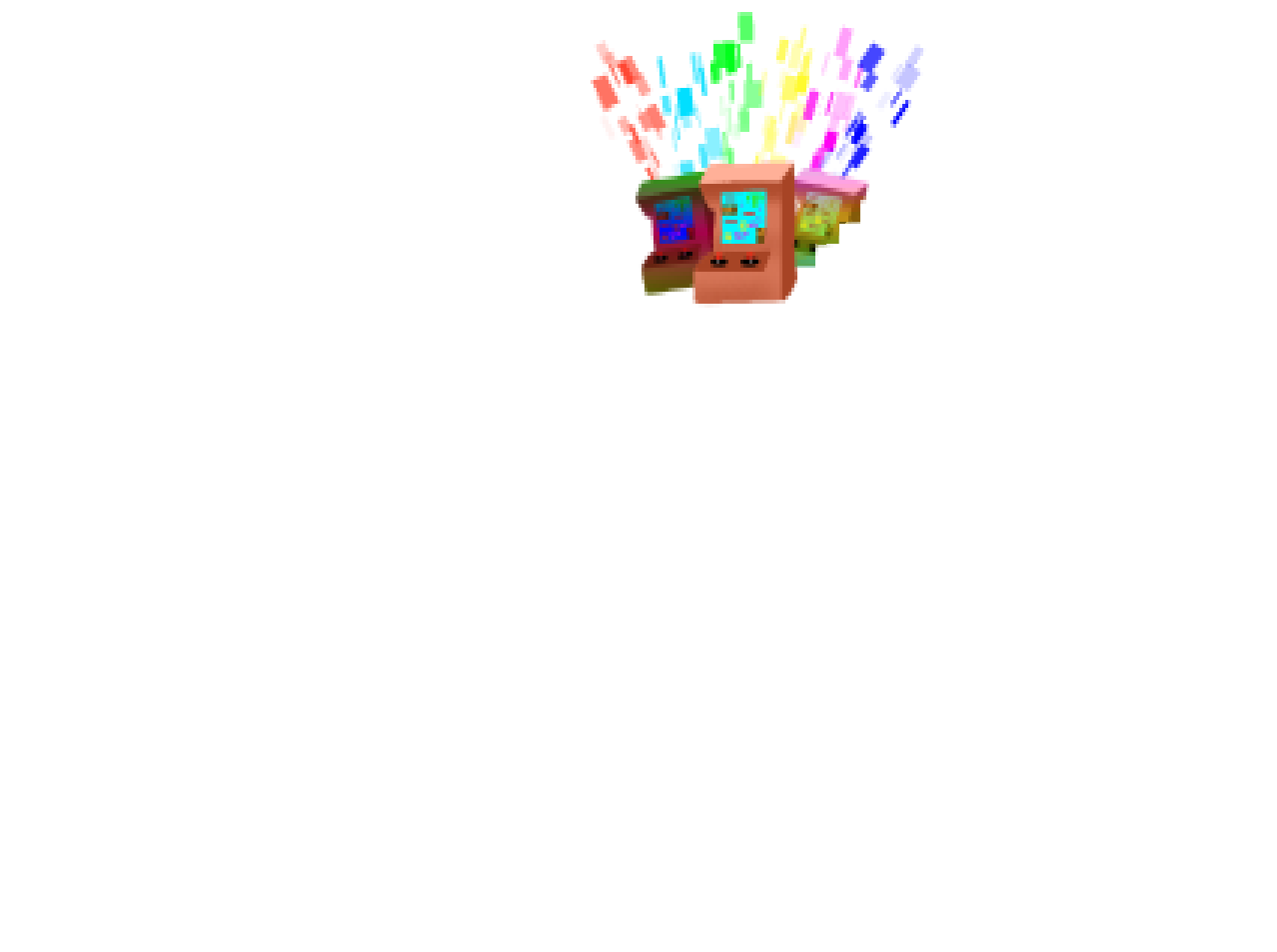
I had fun playing 40 Winks! Nostalgia plays a big role here, especially when exploring imaginative worlds like Nightmare World, Space World, and Pirate World. The variety of themes kept me curious and excited to see what came next. The collect a thon structure and platforming challenges are genuinely addictive, and I often felt motivated to push forward despite the game’s shortcomings!
Character Design
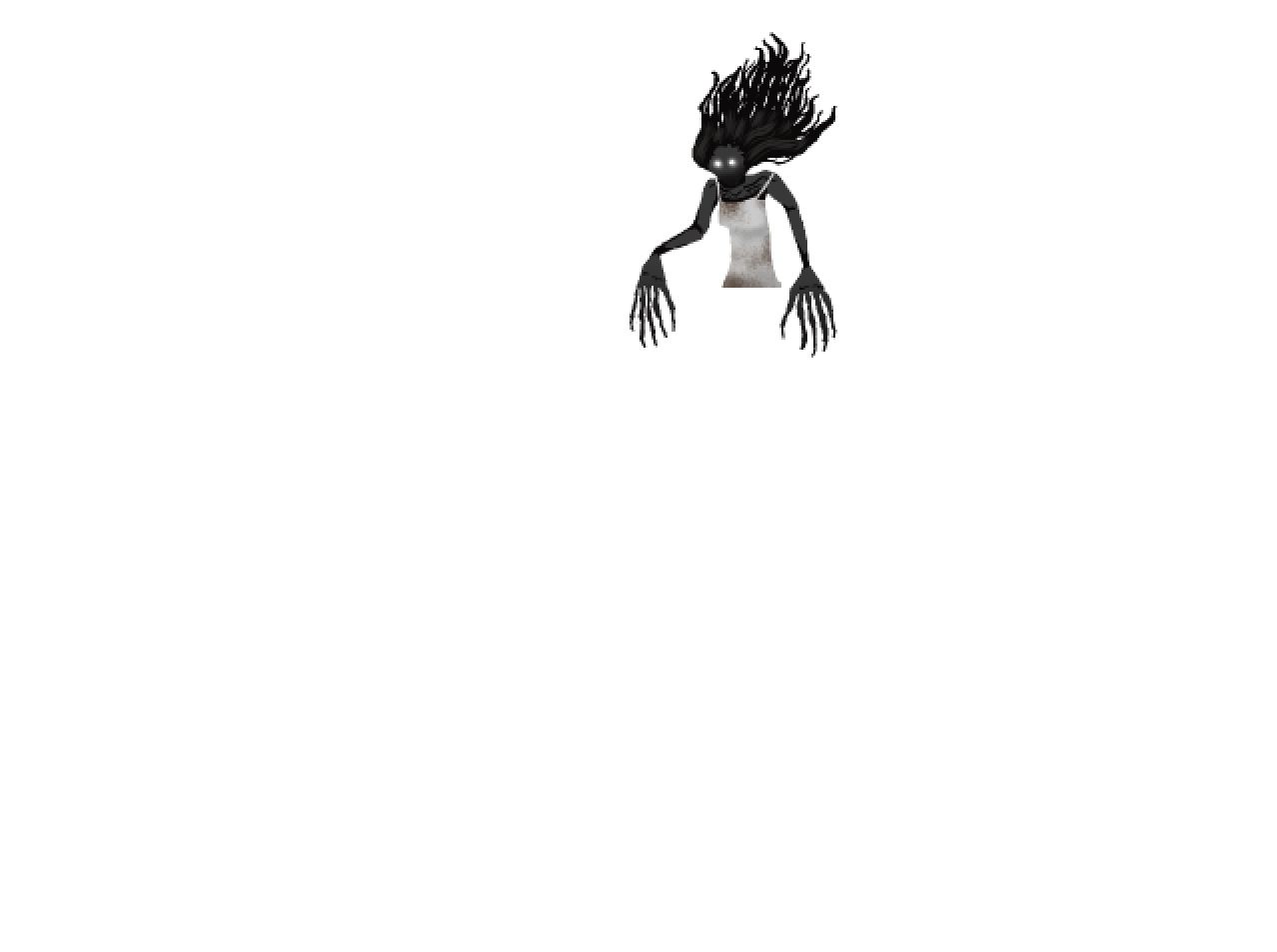
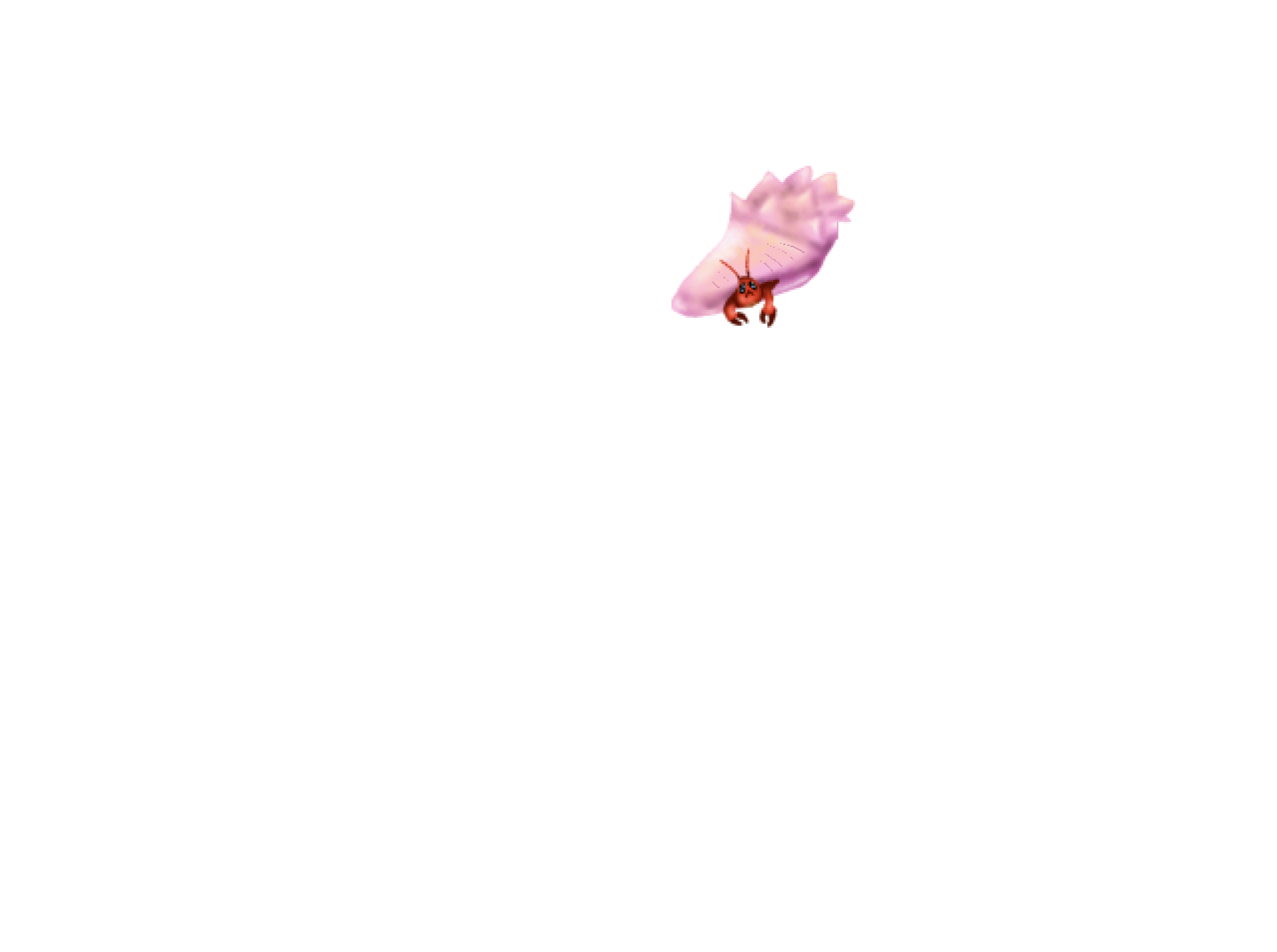
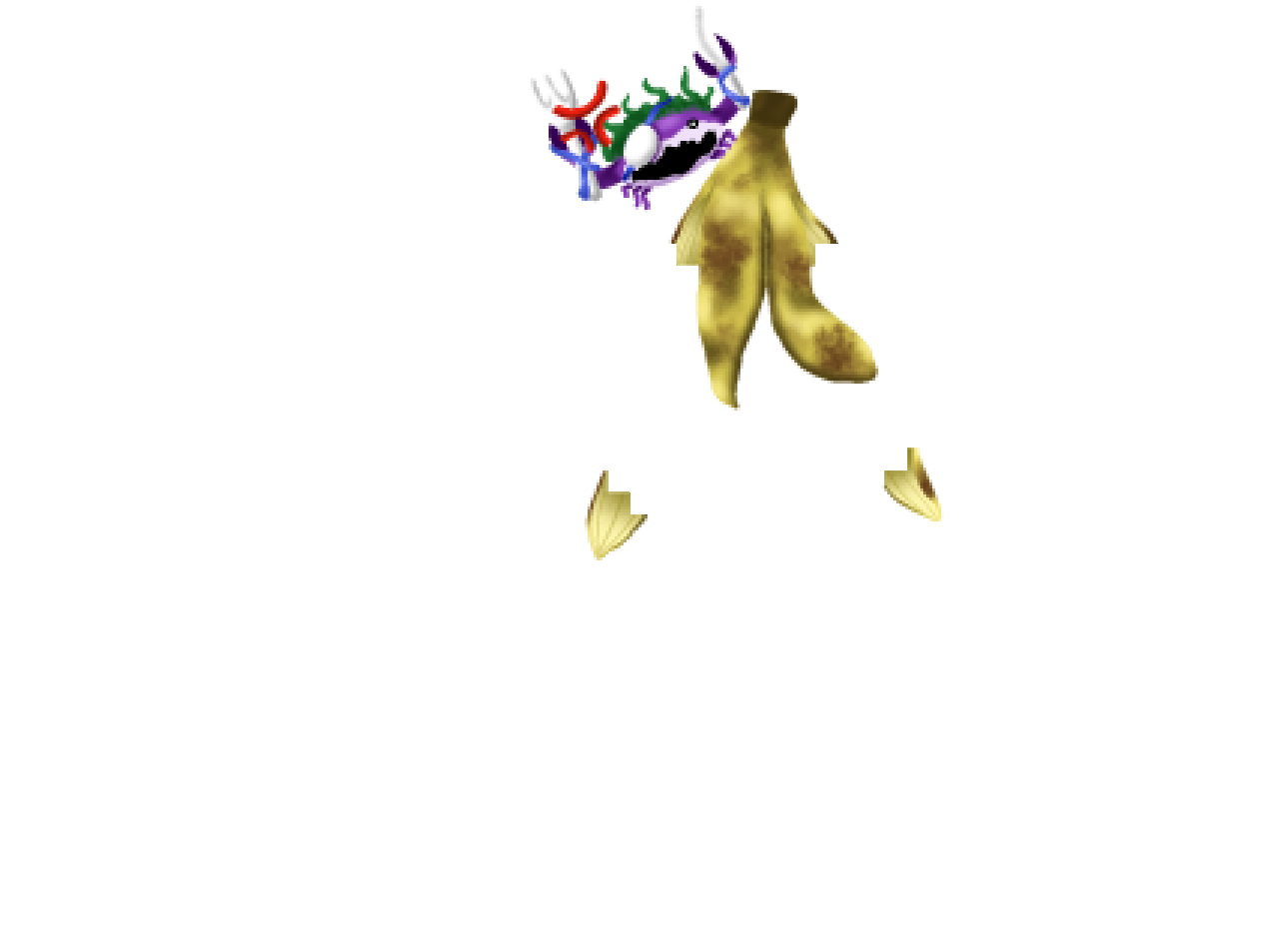
The character design is surprisingly varied for a low poly, low resolution game. Each world introduces unique enemy types, ranging from parrots that drop hazards to space mice that hurl cheese, alongside dinosaurs, ghosts, and more. The Hoodwinks act as a recurring enemy across worlds, tying the experience together.
Players can choose between Ruff and Tumble, each wielding a different weapon and featuring distinct Jack-in-the-Box transformations. These differences add a welcome layer of personality and replay flavor between the siblings.
Story
The story centers on rescuing good Winks to banish the mischievous Hoodwinks. The main villain, Nitecap, spreads nightmares because he cannot sleep, a motive that is oddly relatable. His henchman, Threadbear, appears in every world’s boss fight, helping reinforce narrative continuity. The simple theme of youthful good versus bitter evil works well enough, though the ending ultimately feels underwhelming and somewhat disconnected from the rest of the journey.
Replay Value
Would I replay 40 Winks? No. Casual players will find little reason to return beyond nostalgia, as all collectibles are obtained during a single playthrough. Hardcore players may be tempted by higher difficulty settings, but the outdated controls and camera issues act as major deterrents.
Final Thoughts
Rating: Two out of five toe beans! 🐾🐾❌❌❌
40 Winks is a charming but deeply dated platformer that captures the spirit of its era. Its collect a thon gameplay, whimsical worlds, and playful character design still hold some appeal, but clunky controls, camera limitations, and vague mechanics weigh heavily on the experience. It feels best enjoyed as a nostalgic artifact rather than a timeless classic.
Eurocom’s 40 Winks offers a fun glimpse into the late 1990s platforming scene, even if it no longer holds up under modern scrutiny. While the studio is no longer around to refine or revisit the game, examining titles like this helps us appreciate how far the genre has come. There is value in honoring what worked, learning from what did not, and carrying those lessons forward into the games of tomorrow.